
2012 Wroclaw, Poland
24th November - 2nd December 2012
Bowling World Cup History
The QubicaAMF Bowling World Cup is the most prestigious amateur singles event within the sport of bowling and is the largest annual international sports championship in terms of participating nations. The event brings together the champions of the world so that players from small countries with few bowling facilities rub shoulders with the greats of the sport, all on equal terms and all in a spirit of friendly competition. And, even though only one man and one woman can be crowned as World Champions, just the chance to take part in this weeklong event is, for most, a once in a lifetime opportunity.
Heads of state, members of royal families, government ministers, media personalities and renowned sportspeople have all been to the tournament and even tried their hands at bowling. Strong competition each year from potential hosts makes the selection of venue very tough – a state-of-the-art QubicaAMF bowling centre and good local backing are a must.
It all started in 1965, in Dublin, Ireland. 20 bowlers, all men, arrived to take part in what was then called the International Masters, soon to become the AMF, then the QubicaAMF Bowling World Cup. Since then, we have visited every continent, 38 different cities in 30 different countries, and over 90 countries take part. The first visit to the continent of Africa was in 1993 when we came to Johannesburg in the new rainbow nation of South Africa. Now, in 2011, the 47th tournament is back in Johannesburg. Women first competed in 1972, in Hamburg, Germany. Paeng Nepomoceno of the Philippines has recorded the greatest number of titles with four. Only one bowler has won back-to-back titles and that was Jeanette Baker of Australia. Unusually, both champions from last year will be in Johannesburg to defend their titles: Michael Schmidt of Canada and Aumi Guerra of the Dominican Republic.


NEW! The QubicaAMF Bowling World Cup Magazine 2012-2013 is now available for download! Click here for immediate access.
The latest list of 2012 Participants is available.
Now available:
Media Accreditation Form NEW!
Hotel Booking Form
Men Bowlers Information Form
Women Bowlers Information Form
Please ensure that your bowlers download this important message: contact numbers, Airport Arrivals and Departures, Unofficial Practice, Proshop, Opening Ceremony, Victory Banquet, Security and a lot of other very important information.
Important contact numbers for this year’s World Cup:
ORBIS HOTEL WROCLAW, Powstancow Slaskich 7, 53-332 Wroclaw, Poland. Tel. (+48)71/3614651, Fax. (+48)71/3616617
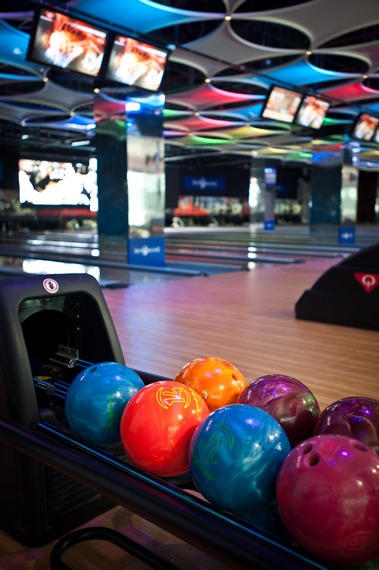
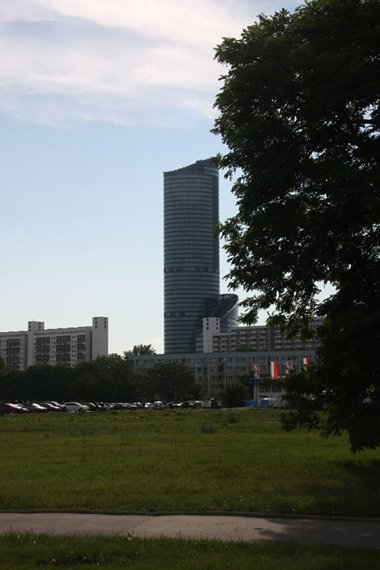
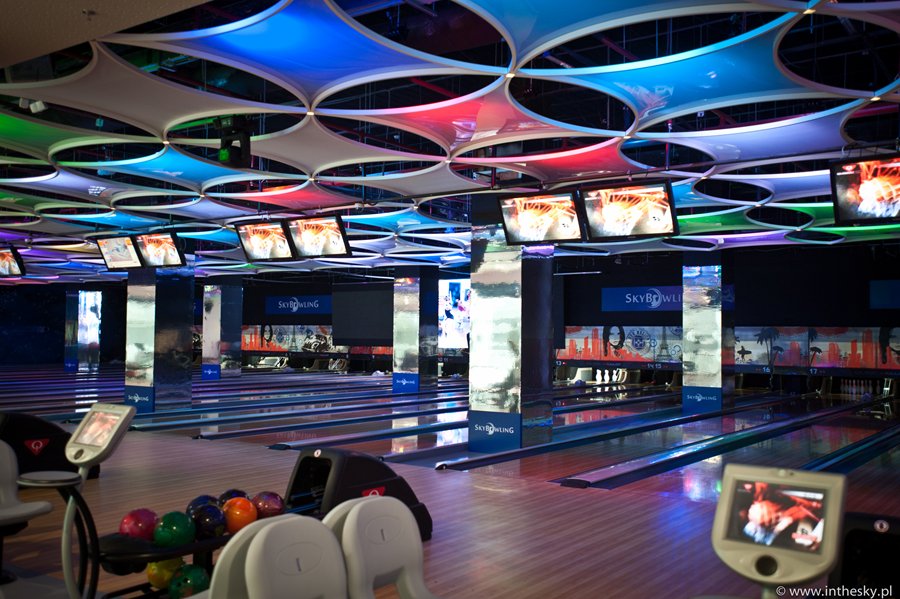
SKY BOWLING, Sky Tower Centre, 2nd floor, Ul. Powstancow Slaskich 95, 53-332 Wroclaw, Poland. Tel. (+48) 717128333 www.bowlingbowling.pl

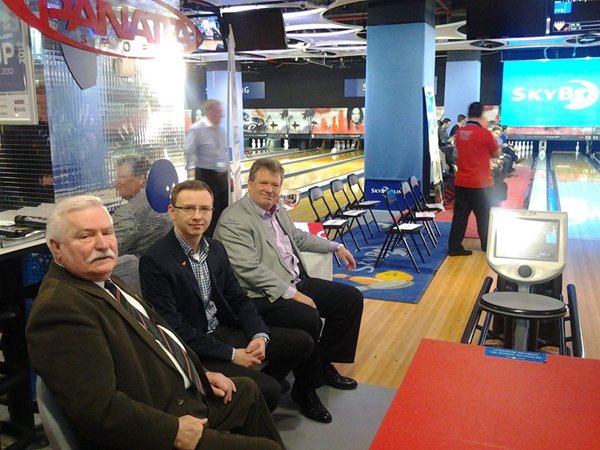
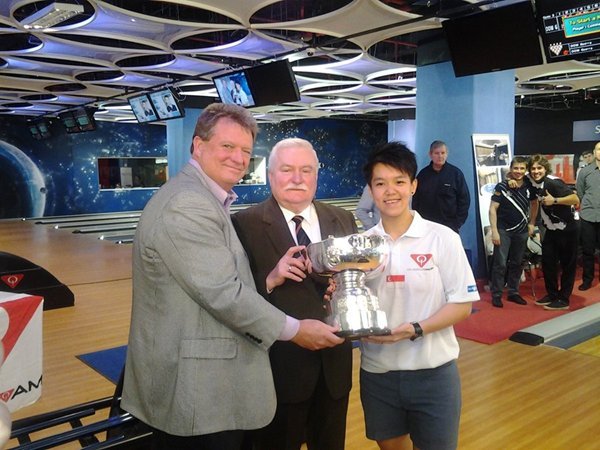
Polish Nobel Prize at the Finals of 48th Bowling World Cup
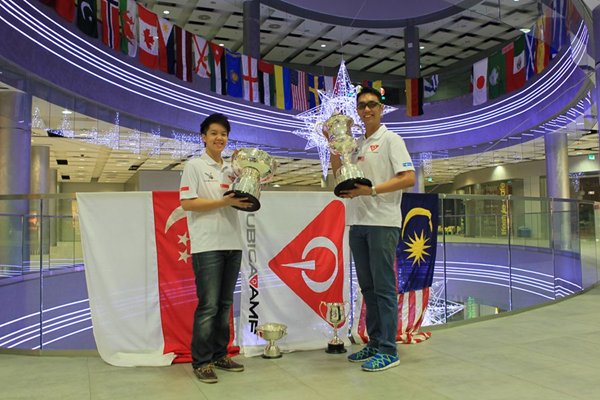
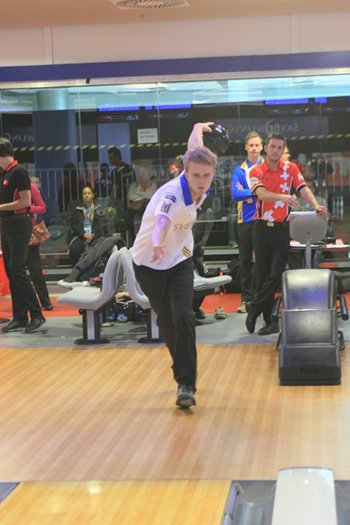
12/01/2012Shayna and Syafiq take titles for Singapore and Malaysia - 2012 QubicaAMF Bowling World Cup, Wroclaw, Poland
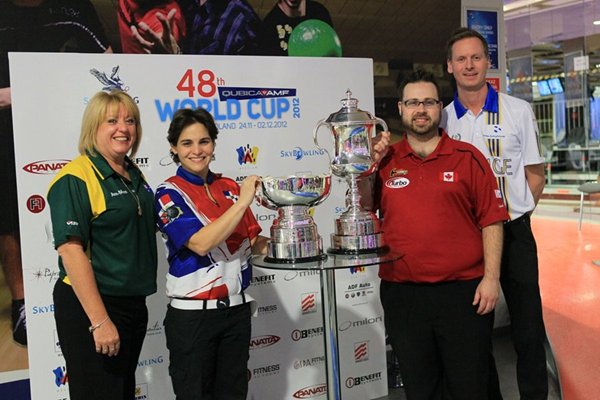
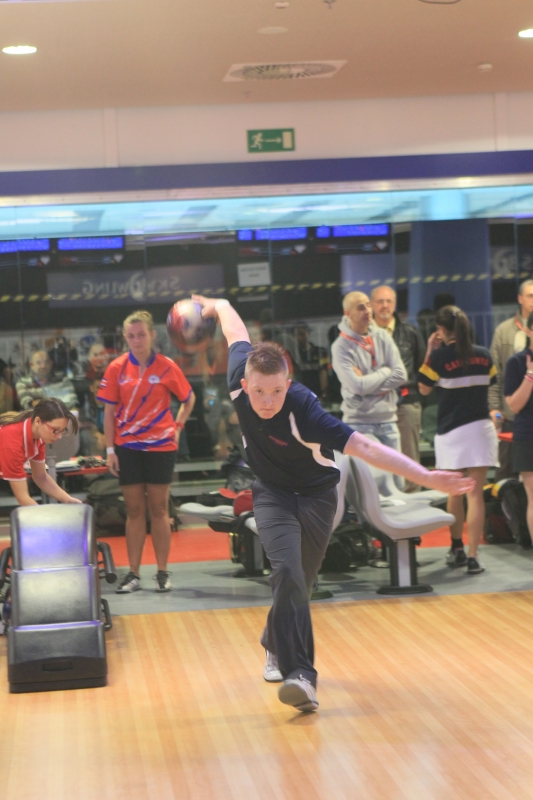
12/01/2012It’s USA, Colombia and Malaysia for the men: Dominican Republic, England and Singapore for the women - 2012 QubicaAMF Bowling World Cup, Wroclaw, Poland
11/30/2012Close finish sees England go through - 2012 QubicaAMF Bowling World Cup, Wroclaw, Poland
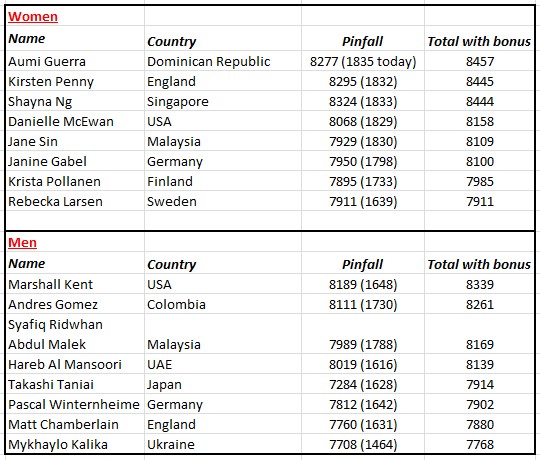
11/30/2012Shayna still top: Kirsten and Aumi hit high sets - 2012 QubicaAMF Bowling World Cup, Wroclaw, Poland
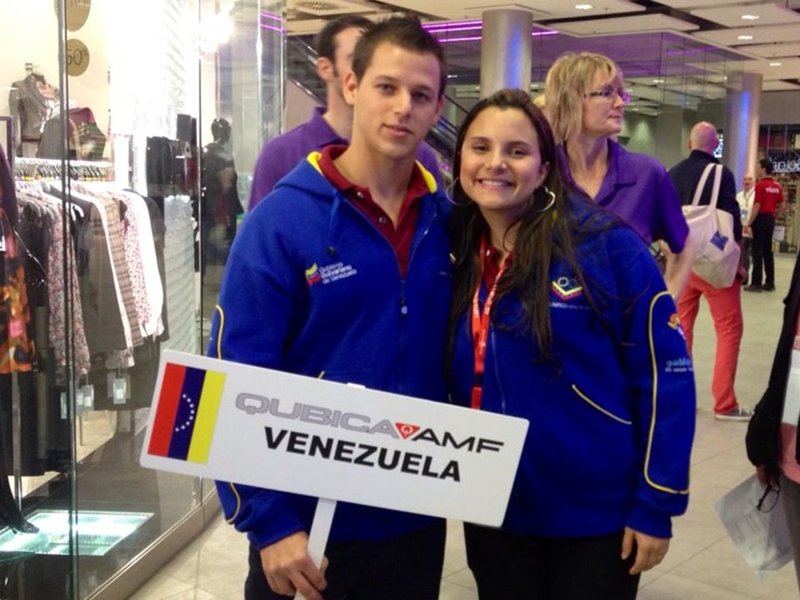
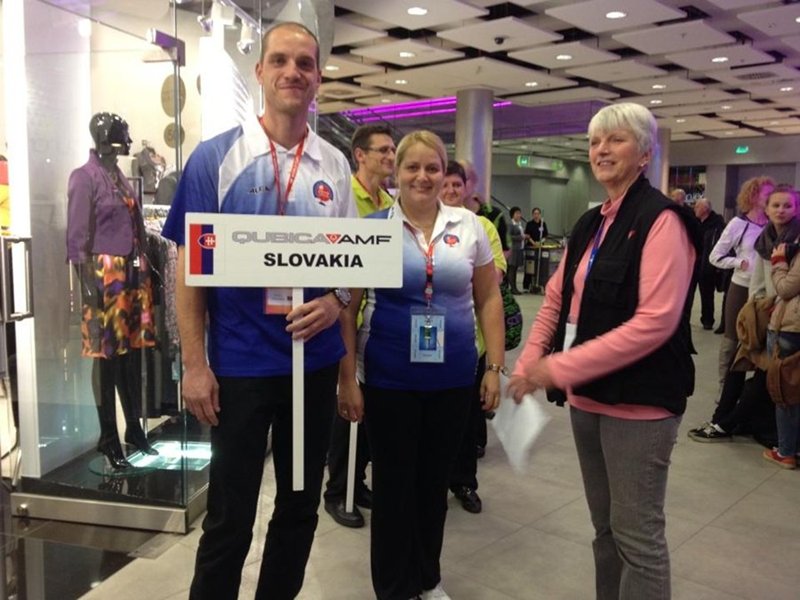
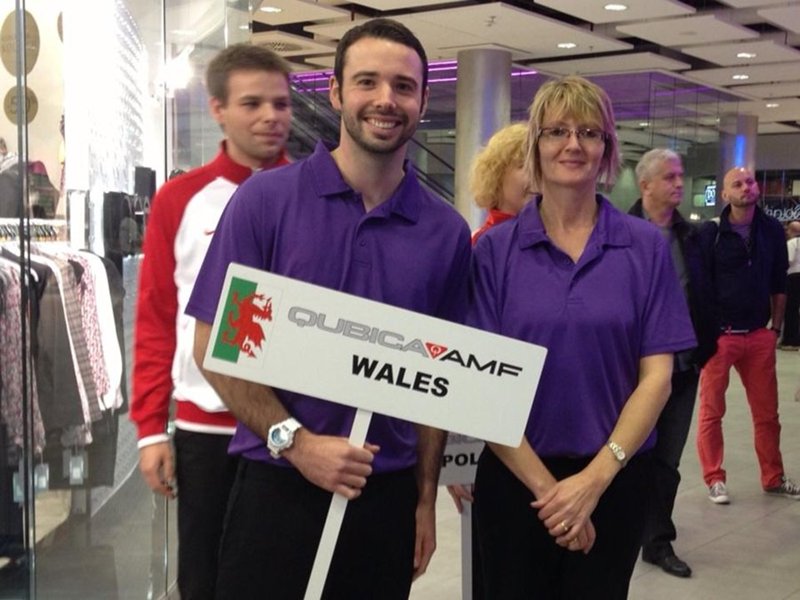
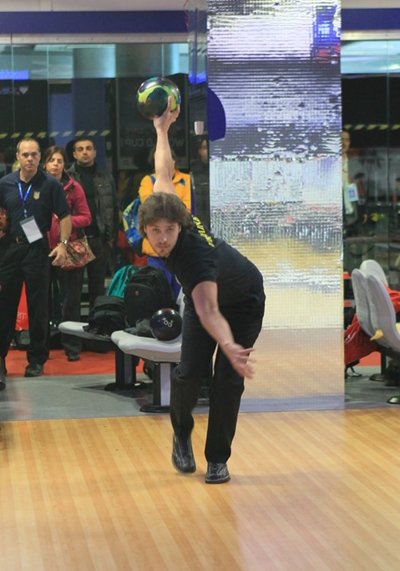
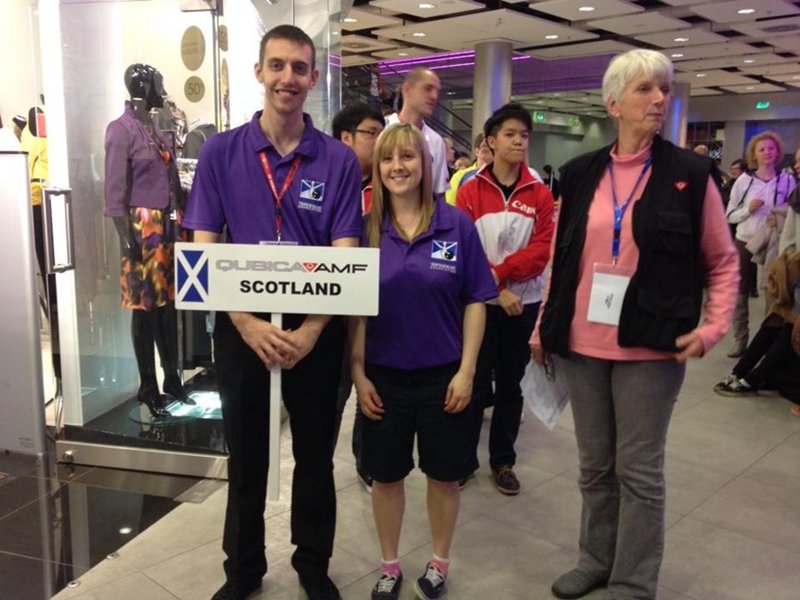
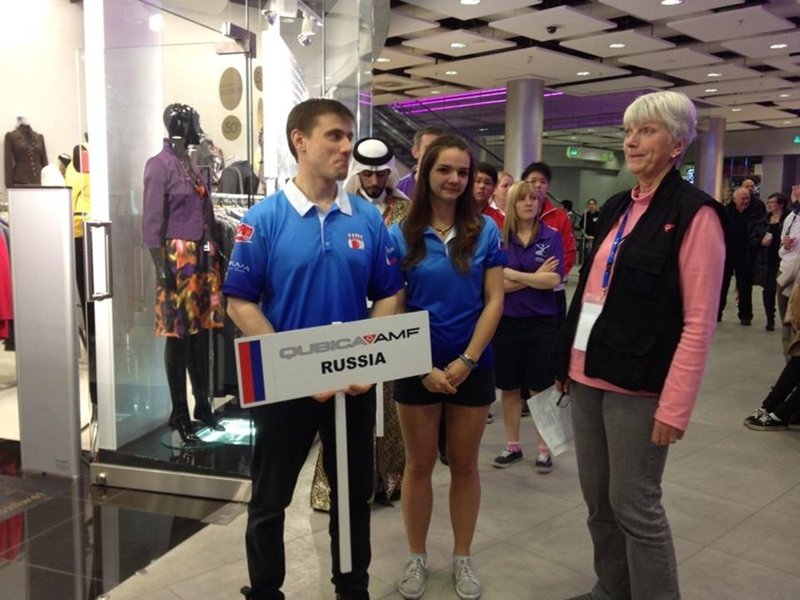
Gallery
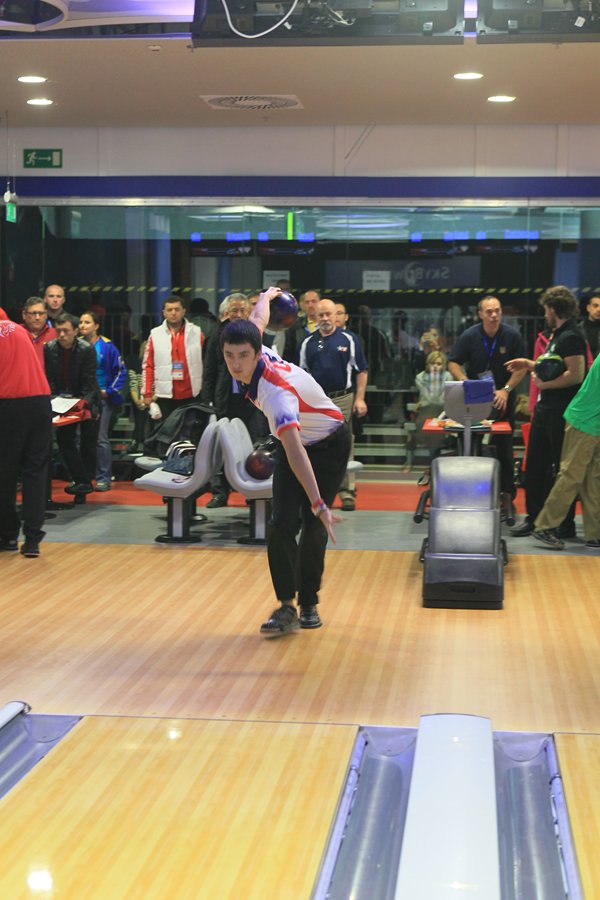

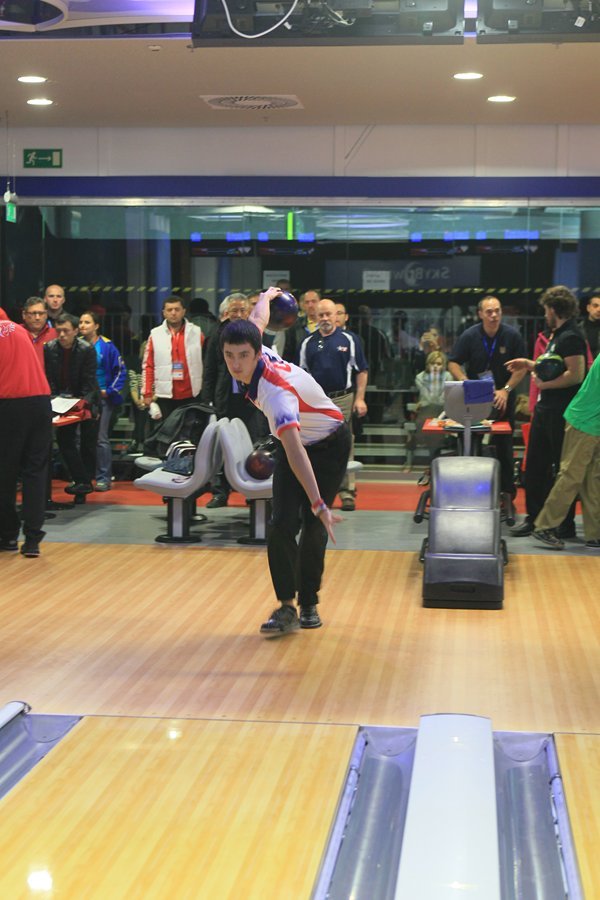
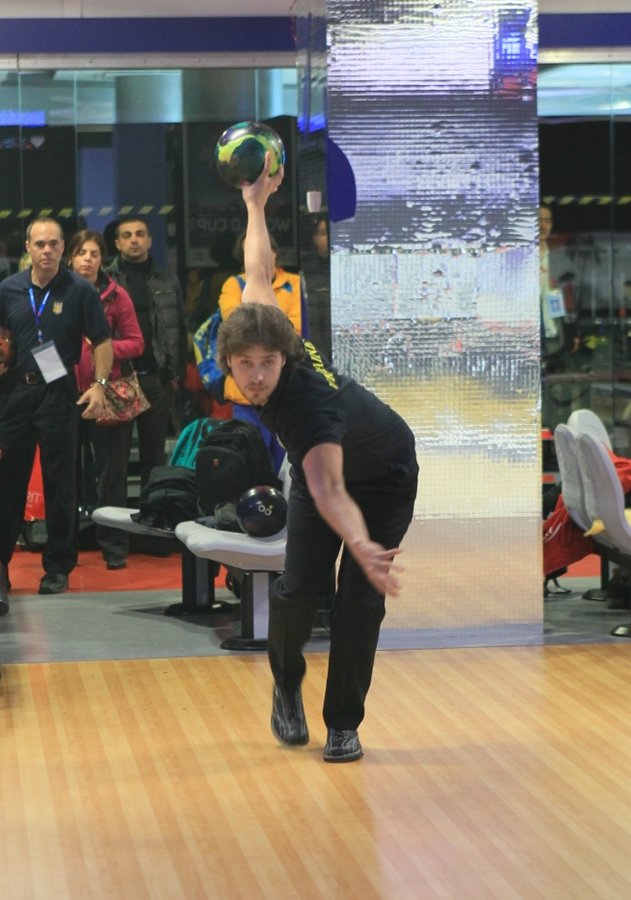
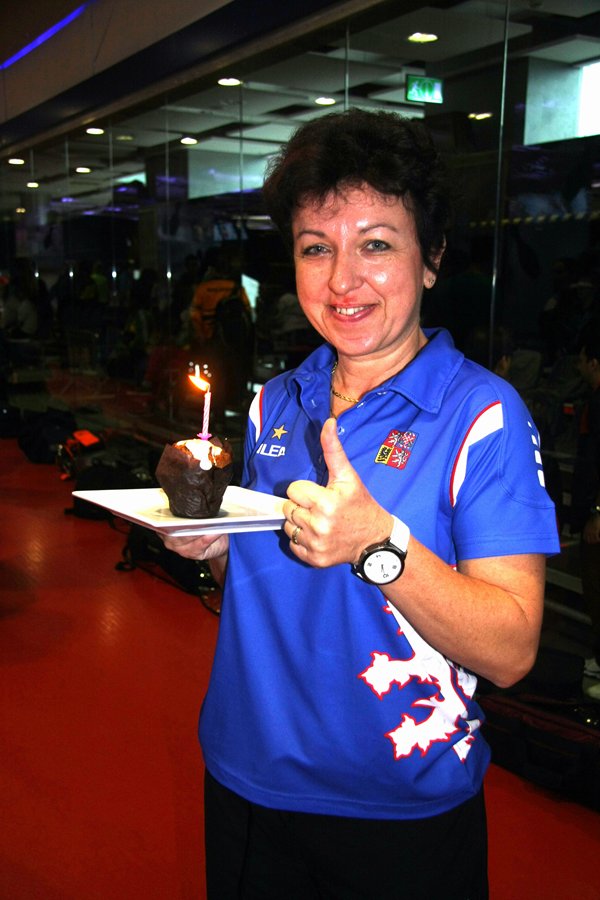
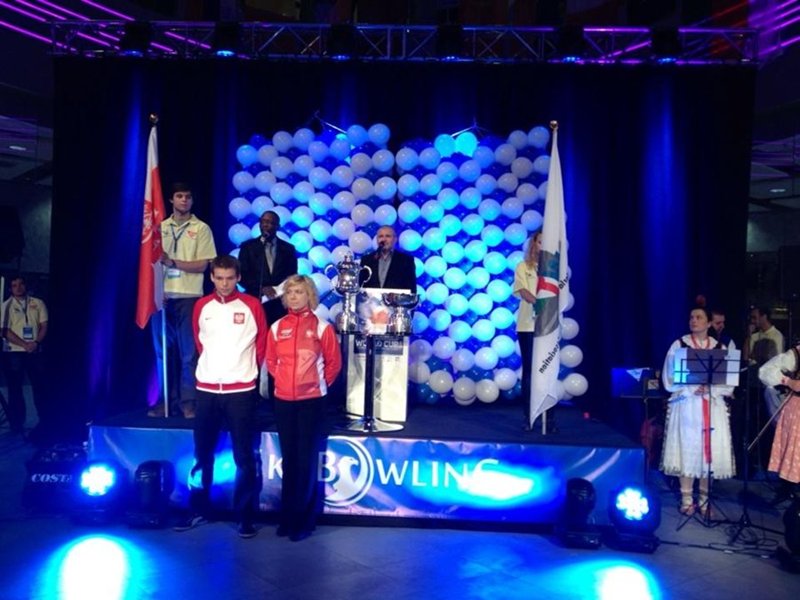
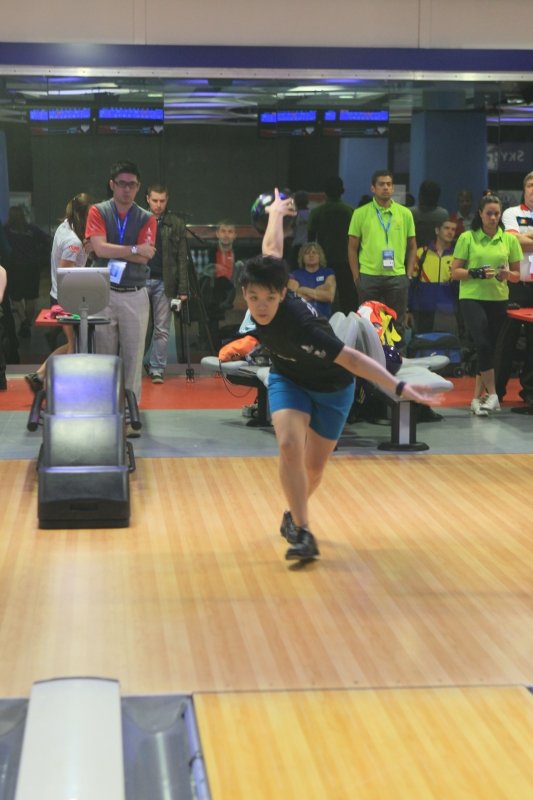
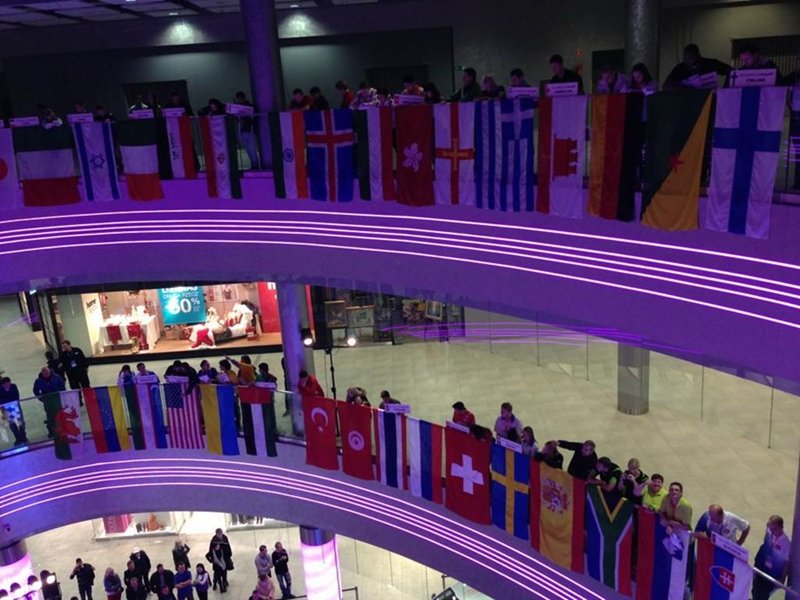
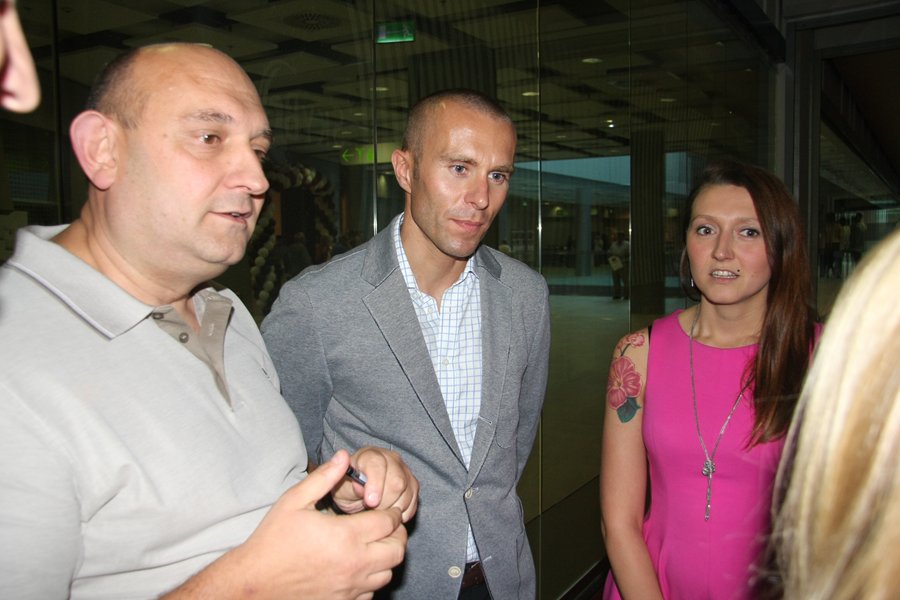
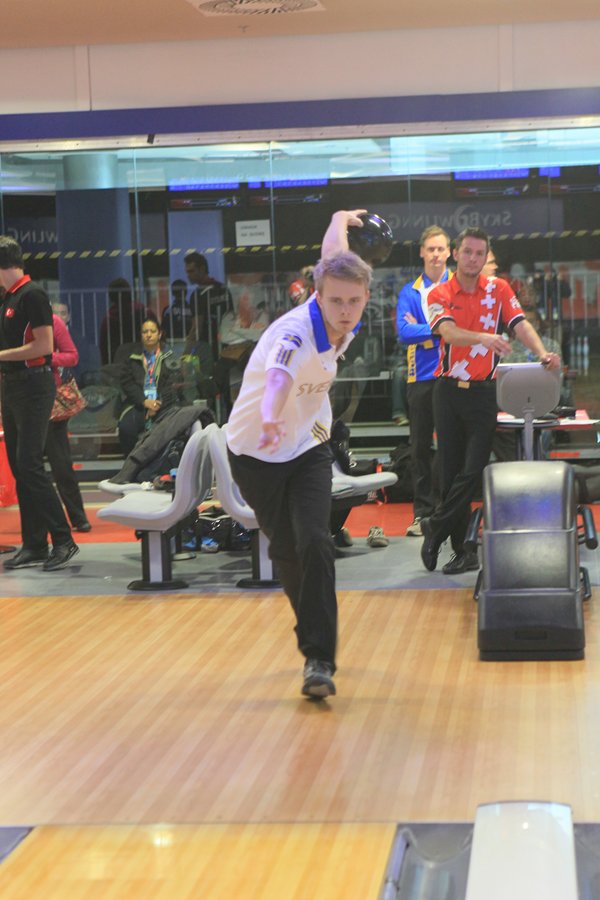
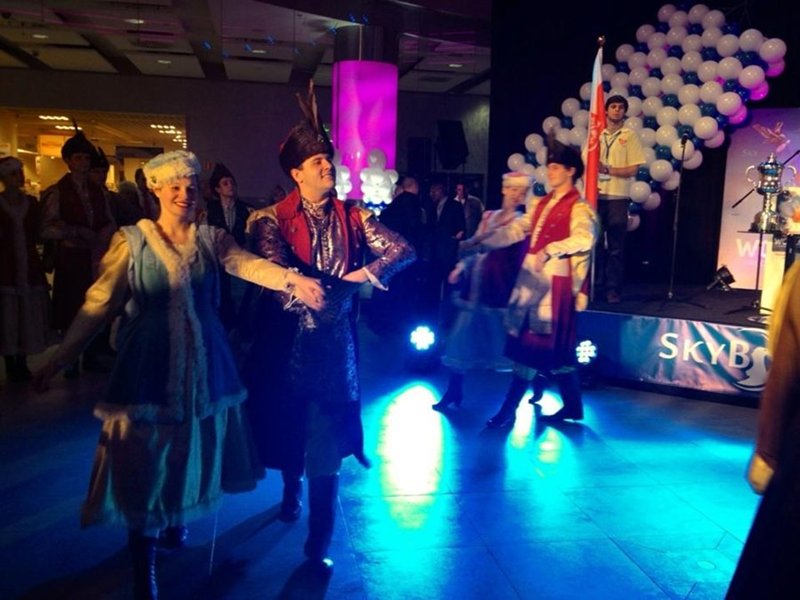
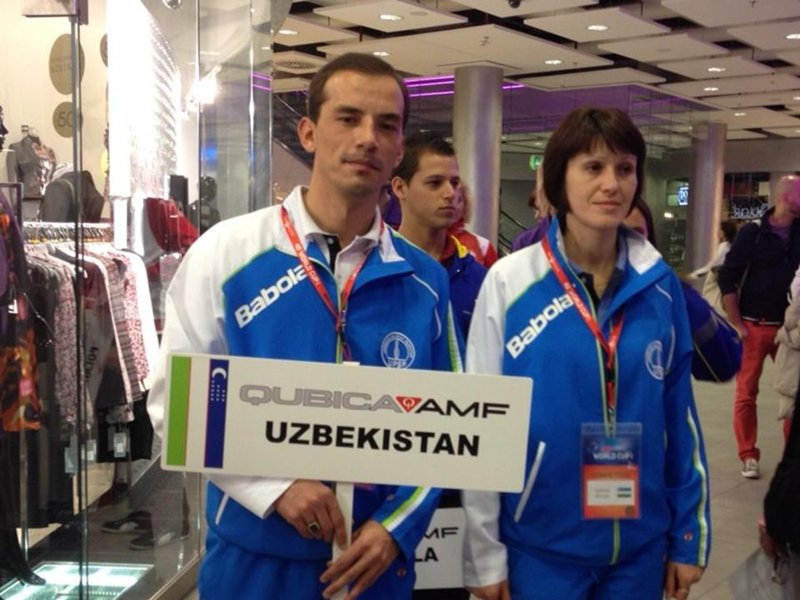
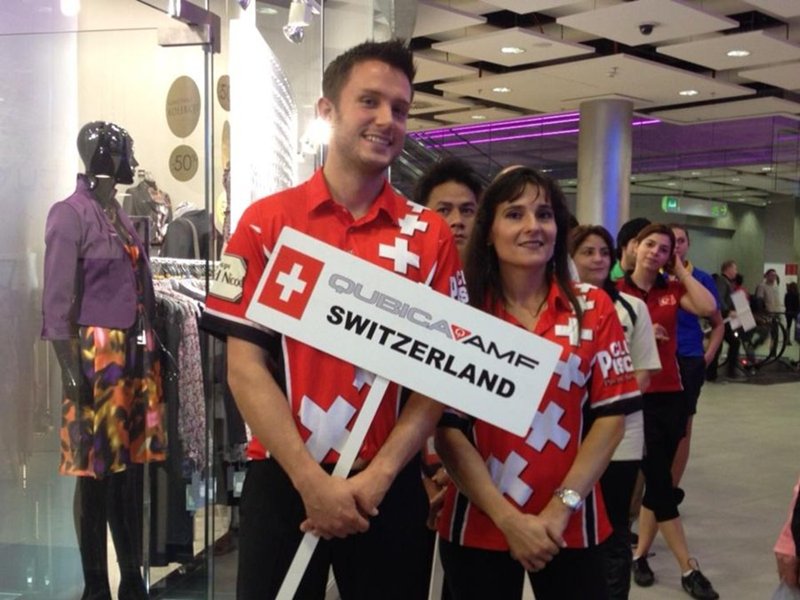

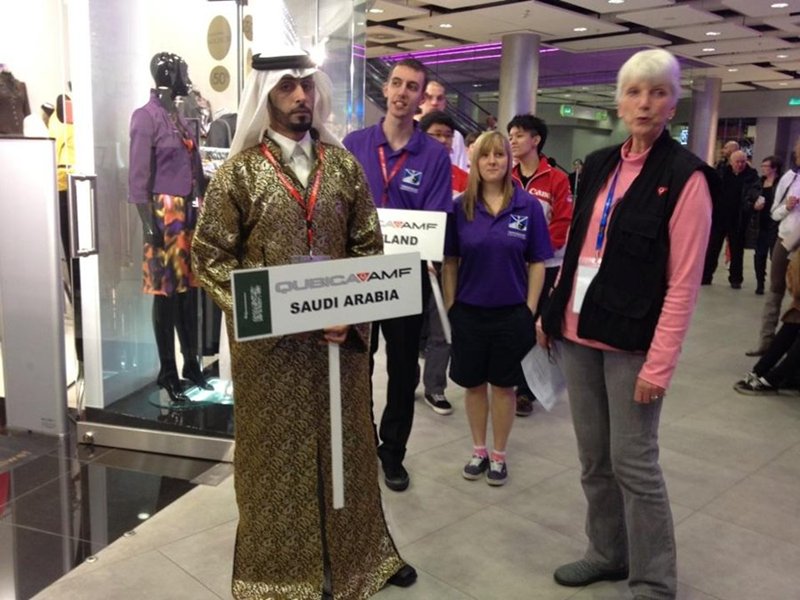
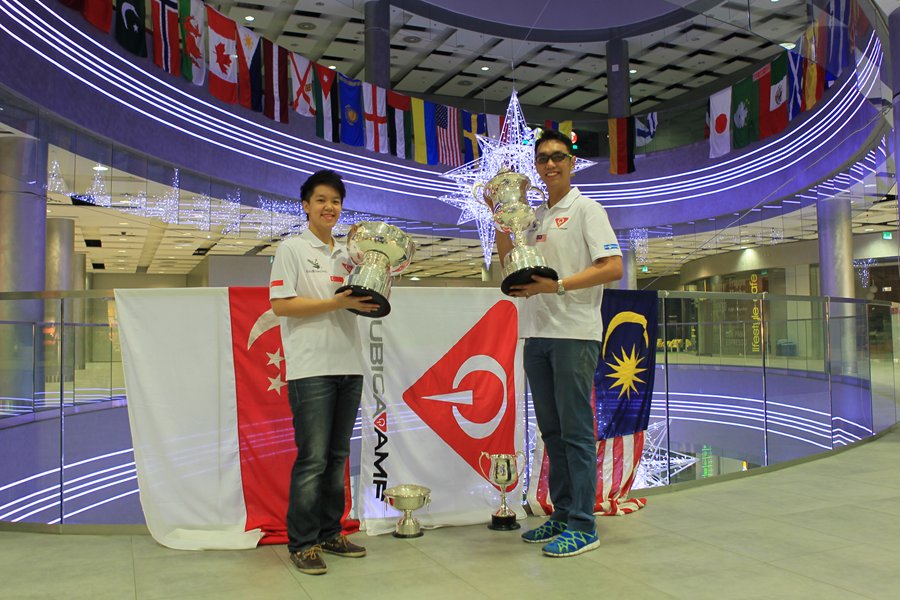
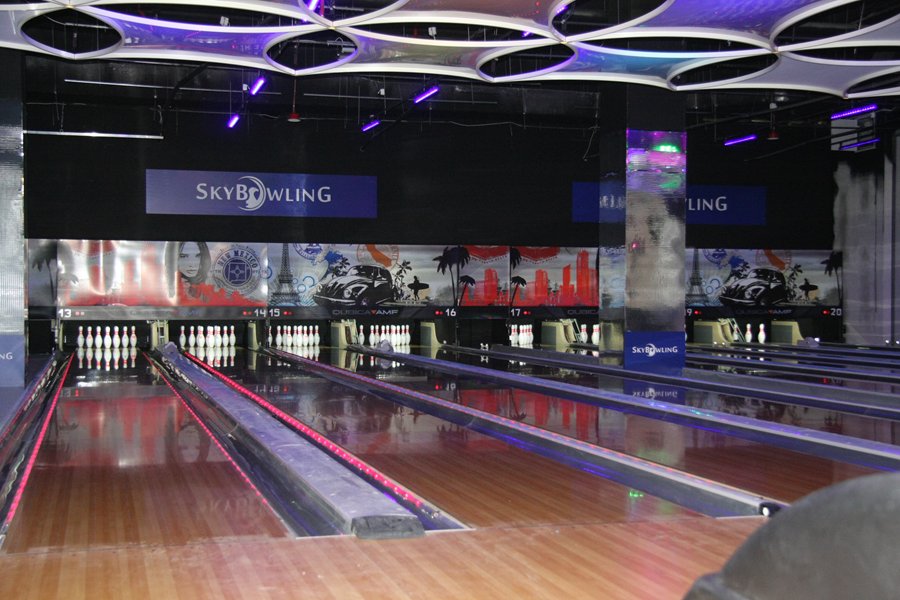
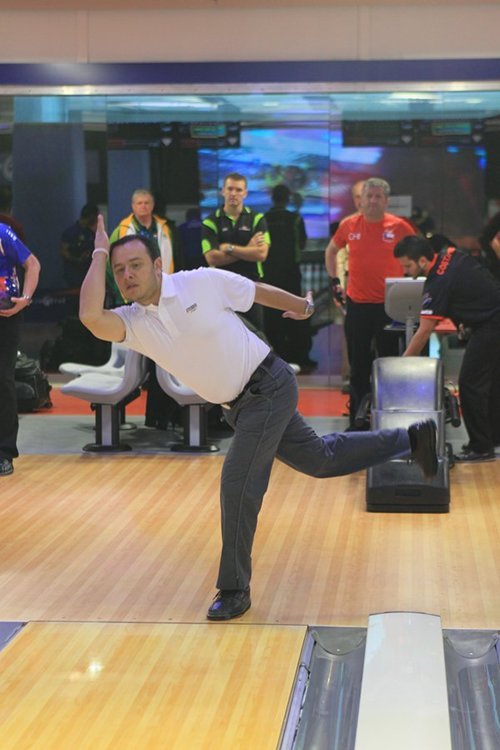
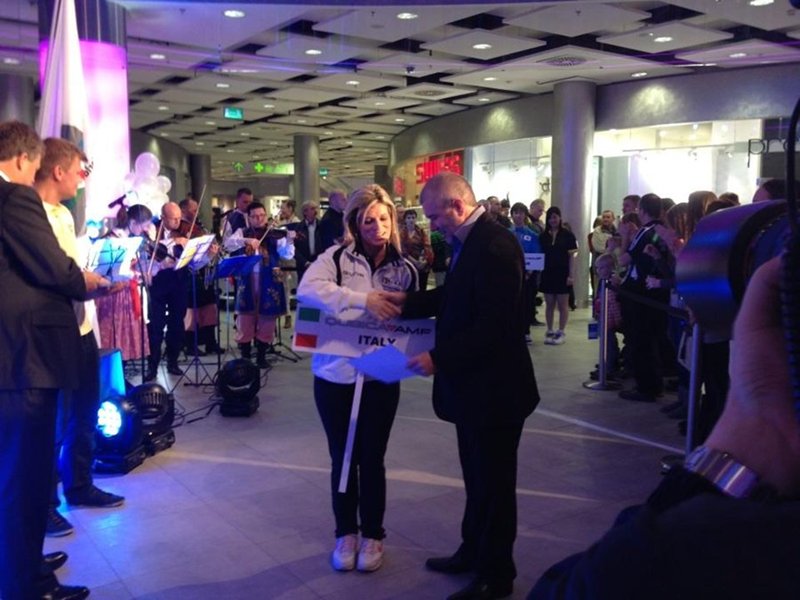
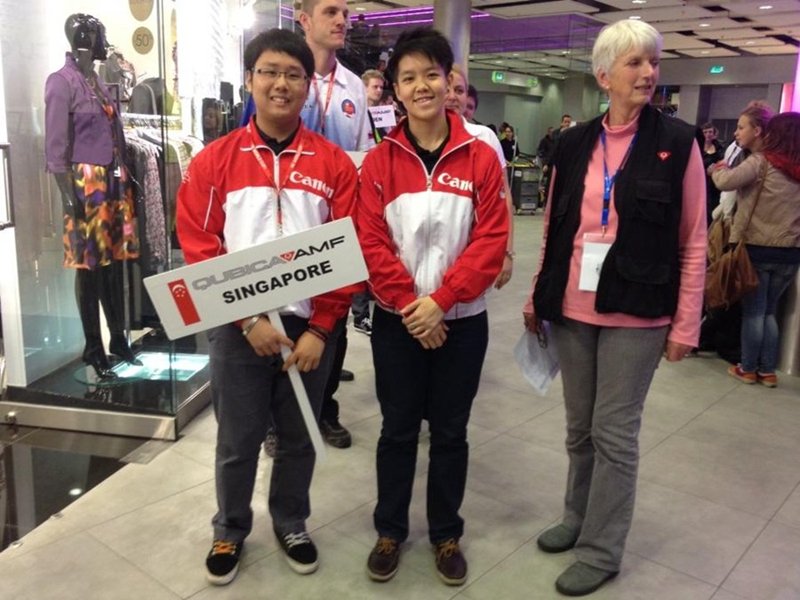
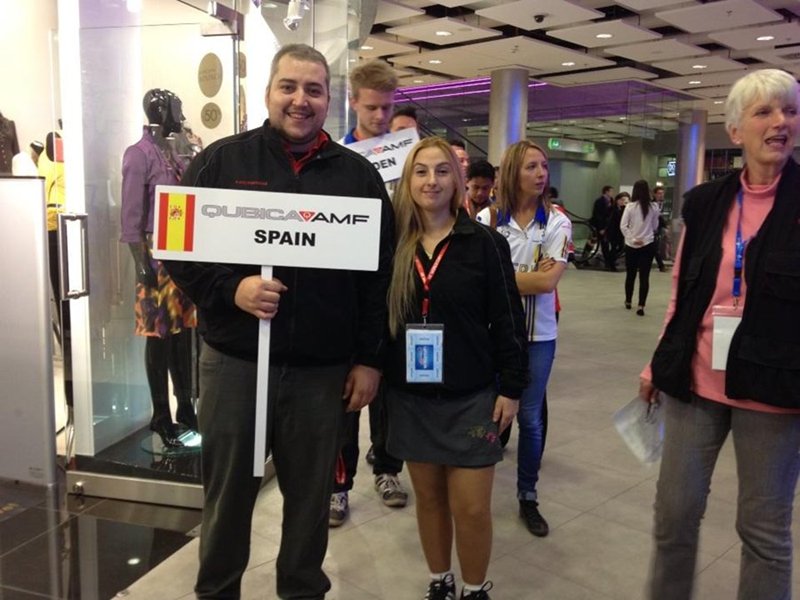
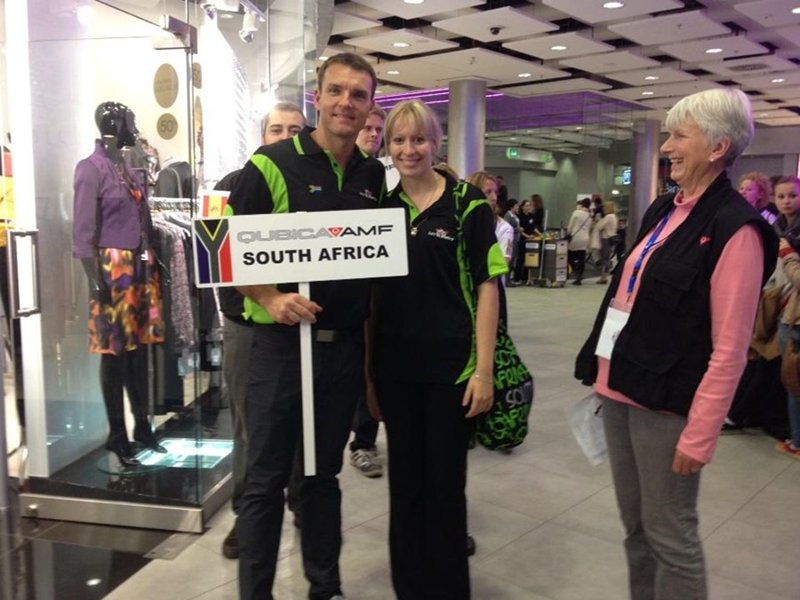
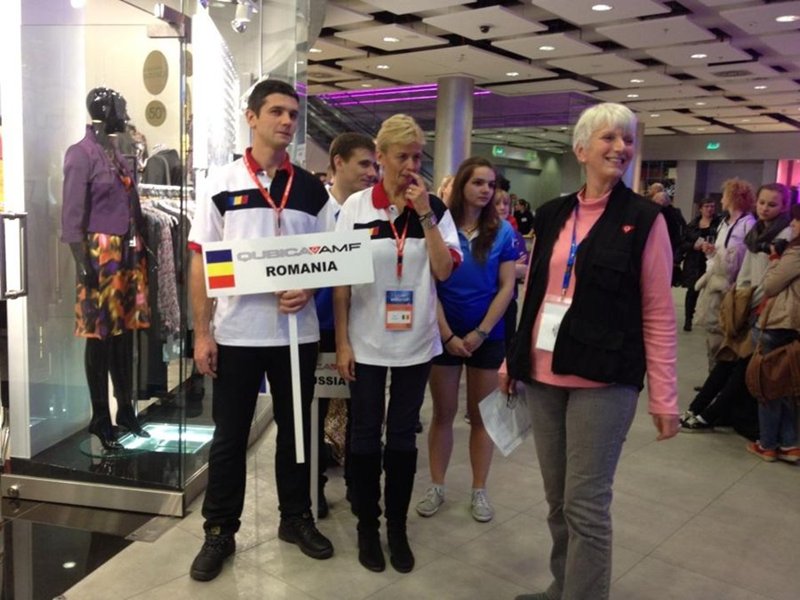
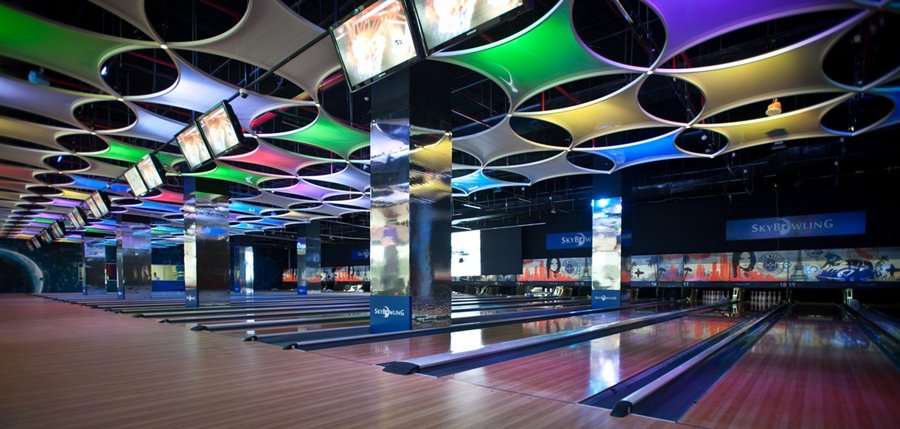
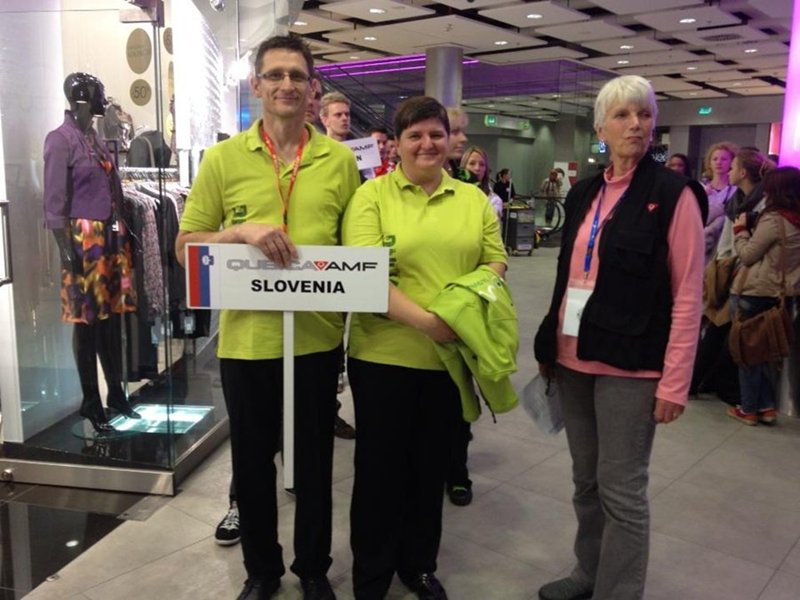
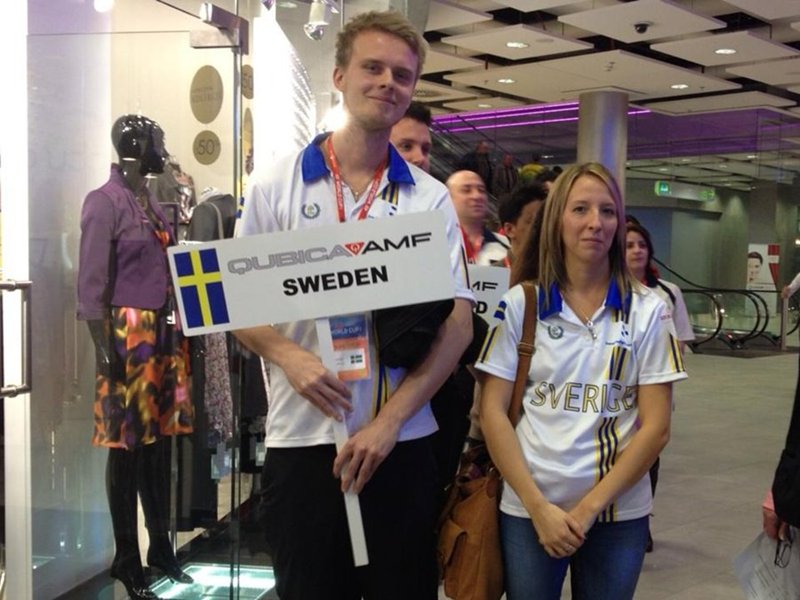
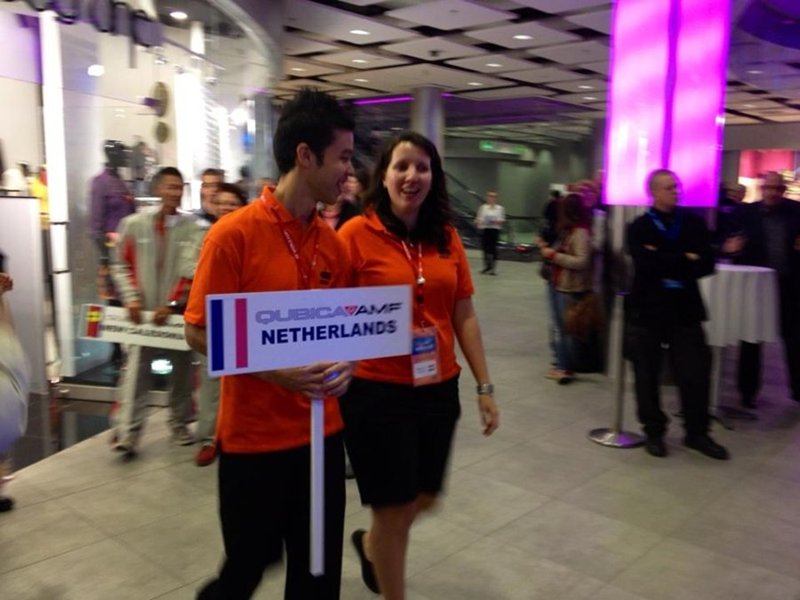
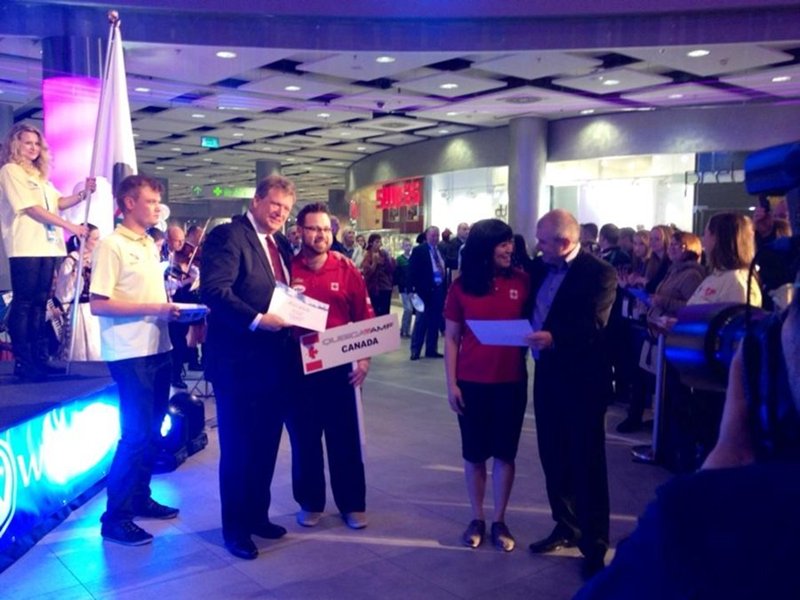
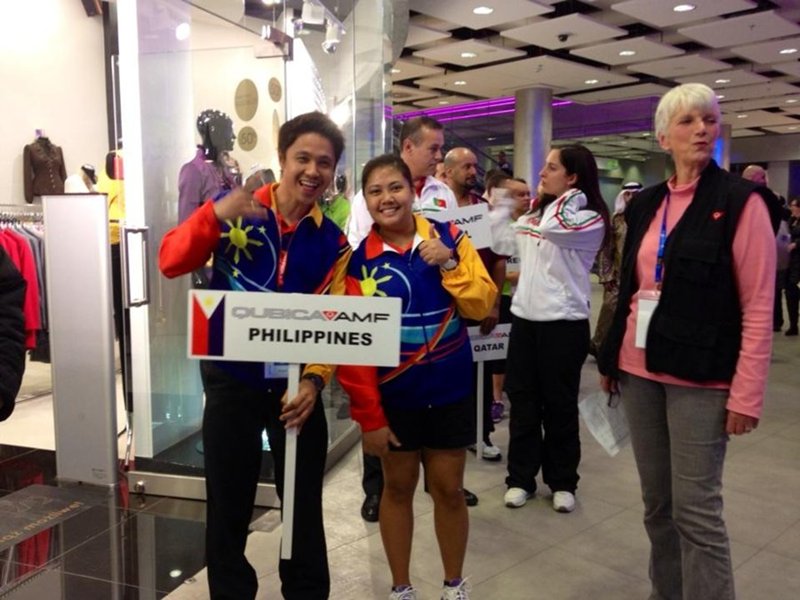
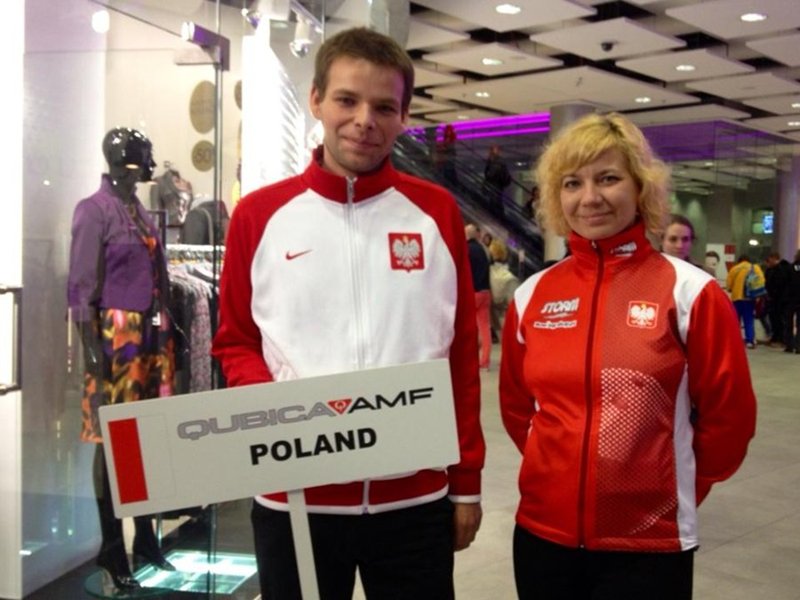
Archives
Since the first event in 1965, winning AMF’s Bowling World Cup title has been the most coveted goal in amateur bowling. Browse the archives to discover or revisit these moments, competitors, and the great champions that have made up the rich history of AMF’s Bowling World Cup.
Further to our announcement you can now reserve your accommodation on the form or on line at http://skybowling.pl/web/hotel
ORBIS HOTEL WROCLAW, Powstancow Slaskich 7,
53-332 Wroclaw, Poland. Tel. (+48)71/3614651, Fax. (+48)71/3616617
The rates are in US$ are per room per night and include full breakfast, tax; entry to the Welcome Reception, Victory Banquet; admission to the bowling centre. There will also be free transport to and from the bowling centre and Wroclaw Airport. Airport transfers are on 24 November and 2 December.
Prices start from:
Bowler sharing with another bowler US$0
Bowler single room with suplemment US$70
Bowler sharing with one guest supplement US$80
Non Bowler: Single Room US$130
Non Bowler: Double Room US$140
Non Bowler: Superior Double Room US$150
PLEASE NOTE: Bowler’s accommodation is only paid by the local host during the tournament period: arrival 24 November - departure 2 December 2012 – 8 nights.
GUESTS STAYING AT OTHER HOTELS WILL BE CHARGED ADMISSION FEES TO THE TOURNAMENT, OPENING CEREMONY, WELCOME RECEPTION, VICTORY BANQUET AND WILL NOT BE ELIGIBLE FOR FREE TRANSPORTATION.
All guests must supply credit card details when booking hotel accommodation. Bowlers staying outside the tournament period must also guarantee extra nights with a valid credit card. Hotel requirements must be confirmed no later than 15th October 2012.
Please remember that all bowlers are required to share twin bedded rooms with another bowler. Any bowler wishing to take a single room or share with a non-bowler must specify on the on-line hotel booking form and supply credit card details (as indicated on the form) to guarantee their hotel accommodation. All hotel requirements must be specified no later than 15th October 2012.
Please help us to look after your guests by letting the organisers know well advance any non-bowlers who will be visiting Poland.
HOTEL BOOKINGS CANNOT BE ACCEPTED WITHOUT VALID CREDIT CARD
Information on the world’s largest annual international sports event can now be accessed on www.qubicaamf.com where you can find facts, photos and statistics from each of the previous 47 championships, as well as the latest bulletins and news for 2012. It will also be the official site for daily results during the tournament.
Please don’t hesitate to contact Anne-Marie Board (amboard@qubicaamf.com) if you have any questions.
Wroclaw, with over 630,000 inhabitants, is the fourth biggest city in Poland and the economic, administrative as well as cultural capital of Lower Silesia. It is undoubtedly one of the oldest and most beautiful cities in the country. Situated at the foot of the Sudety Moutains, upon the Odra River and cut through by its numerous tributaries and canals, it is an exceptional city of 12 islands and 117 bridges.
Wroclaw’s complex and dramatic history is embedded in the city walls. We are reminded of the early medieval times in Ostrow Tumski, where one of the most stunning sacral architecture buildings in Europe has been preserved. Wroclaw Town Hall, located in the very heart of the city – Market Square, is considered one of the most splendid Gothic buildings in central Europe. In Wroclaw one can also see the biggest baroque interior in Poland, which has remained until today - the Leopoldine Hall, located in the 17th century University building. One of the city’s biggest attractions include:
Panorama of the Battle of Raclawice which is the oldest and only extant example of panorama painting in Poland commemorating the 100th anniversary of the victorious Battle of Racławice, a famous episode of the Kościuszko Insurrection, a heroic but in the end fallen attempt to defend Polish independence. Worth visiting is also the Centennial Hall, an architecturally unique building constructed in the beginning of the 20th century by Max Berg and listed as a UNESCO World Heritage Site.
Wroclaw, multicultural and open to new ideas and challenges, fascinates and attracts. The city’s remarkable history and diversity combined with Polish hospitality guarantee that everyone visiting Wroclaw will certainly see and experience something interesting.
Bowling World Cup guests are welcome to participate in Wroclaw Sightseeing Tour with a local tourist guide which can be arranged every day (26.11 – 30.11) depending on the interest of the World Cup’s guest. The Organisers provide the tour guide and transportation. However the entrance fees must be paid individually when signing for the trip.
Wroclaw sightseeing tour lasts approx. 3-4 hours and includes visiting:
- medieval Ostrow Tumski with one of the most stunning sacral architecture buildings in Europe - the Cathedral
- the very heart of the city - Market Square and the Town Hall which is considered one of the most splendid Gothic buildings in central Europe
- the biggest baroque interior in Poland which has remained until today - the Leopoldine Hall located in the University building (closed on Wednesdays, entrance fee 10PLN – 2,5 EUR)
- Panorama of the Battle of Raclawice which is the oldest and only extant example of panorama painting in Poland (closed on Mondays, entrance fee 25PLN – 5,5 EUR )
- the Centennial Hall, an architecturally unique building constructed in the beginning of the 20th century by Max Berg and listed as a UNESCO World Heritage Site
Moreover, all World Cup guests have a free entrance to the following Museums:
- The Historical Museum
- The Museum of Burgeois Art
- The Archeological Museum
- The Military Museum
- The Museum of Medallic Art
- The Museum of Cemetery Art and The Old Jewish Cemetery
For more details and the opening hours please see: http://www.en.muzeum.miejskie.wroclaw.pl/
Also, we would like to offer two trips outside Wroclaw:
The minimum number of people to run a tour is 10 and the maximum is 30. Tours available in English and German. Signing for the tours will be possible upon the arrival at the World Cup’s reception desk. Guests are kindly asked to sign for tours at least two days earlier. The Organisers provide the tour guide and transportation. However the entrance fees must be paid individually when signing for the trip.
1. Trzebnica and Lubiaz – approx 4-5 hours (27.11)/ entrance fees: 20PLN= 4EUR
Trzebnica is located among the picturesque Wzgorza Trzebnickie Hills, 25km away from Wroclaw.
The tour includes visiting the Church of St. Bartholomew and St. Jadwiga, the first brick building in Silesia. Its oldest part is the crypt under the chancel with small spring. The spring is believed to have miraculous properties. This Romanesque church had been reconstructed many times. The artistic portals are the only 13th century details which have been preserved. In the 18th century the Cistercian Sisters gave the church a Baroque style.
(source: www.turystyka.dolnyslask.pl)
The Cistercian Abbey in Lubiaz in is one of the largest Christian architectural complexes in the world and is considered a masterpiece of Silesian Baroque architecture. The monastery’s First Church of the Blessed Virgin Mary was constructed in Lubiaz in 1200. The abbey was given its present look during the reconstructions of the 17th and 18th centuries. In accordance with the spirit of the times, the Gothic Church of the Blessed Virgin Mary was given Baroque furnishing and a two-tower facade.
(source: www.turystyka.dolnyslask.pl)
2. Świdnica and Ksiaz Castle – approx 4-5 hours (29.11)/ entrance fees: 35PLN = 8EUR
Ksiaz is among the largest castles in Poland. It contains more than 400 rooms with a total cubic area of 15,000 m³. The most wonderful is the 18th century Maximilian Hall. The castle can be found on the border of Walbrzych, within the Ksiaz Landscape Park.
(source: www.turystyka.dolnyslask.pl)
An exceptionally rich history and intriguing architecture, make their home in one of the most beautiful cities in Silesia – Swidnica. The Church of Peace of the Holy Trinity, the biggest wooden church in Europe, was established between 1656 and 1657. The church has been preserved, almost intact, until the present day. It has a wooden framework and it is built on a cross plan. In 2001, the church was listed as the UNESCO World Heritage Site. One can also admire the Gothic Church of Saints Stanislaw and Waclaw, whose 103 m high tower, dominates the city.
(source: www.turystyka.dolnyslask.pl)